
Batch Painting
The prototype is painted once, by hand, with unlimited time. Production paint is a different problem: the same finish, repeated five hundred times, by a team, across weeks.
Why this is the hardest stage.
Everything that makes a hand-painted prototype beautiful also makes it hard to repeat. A gradient that was airbrushed until it looked right is not a specification, it is a judgement. Multiply that judgement by five hundred, spread it across a team, over weeks, and it will drift.
Drift is not caused by carelessness. It is caused by the absence of a fixed reference. So we fix one.
How the reference is fixed.
A master colour standard is struck and approved. Every colour used in production is matched against a physical standard, not a screen, not a photo, not a memory of what it looked like in the sample room.
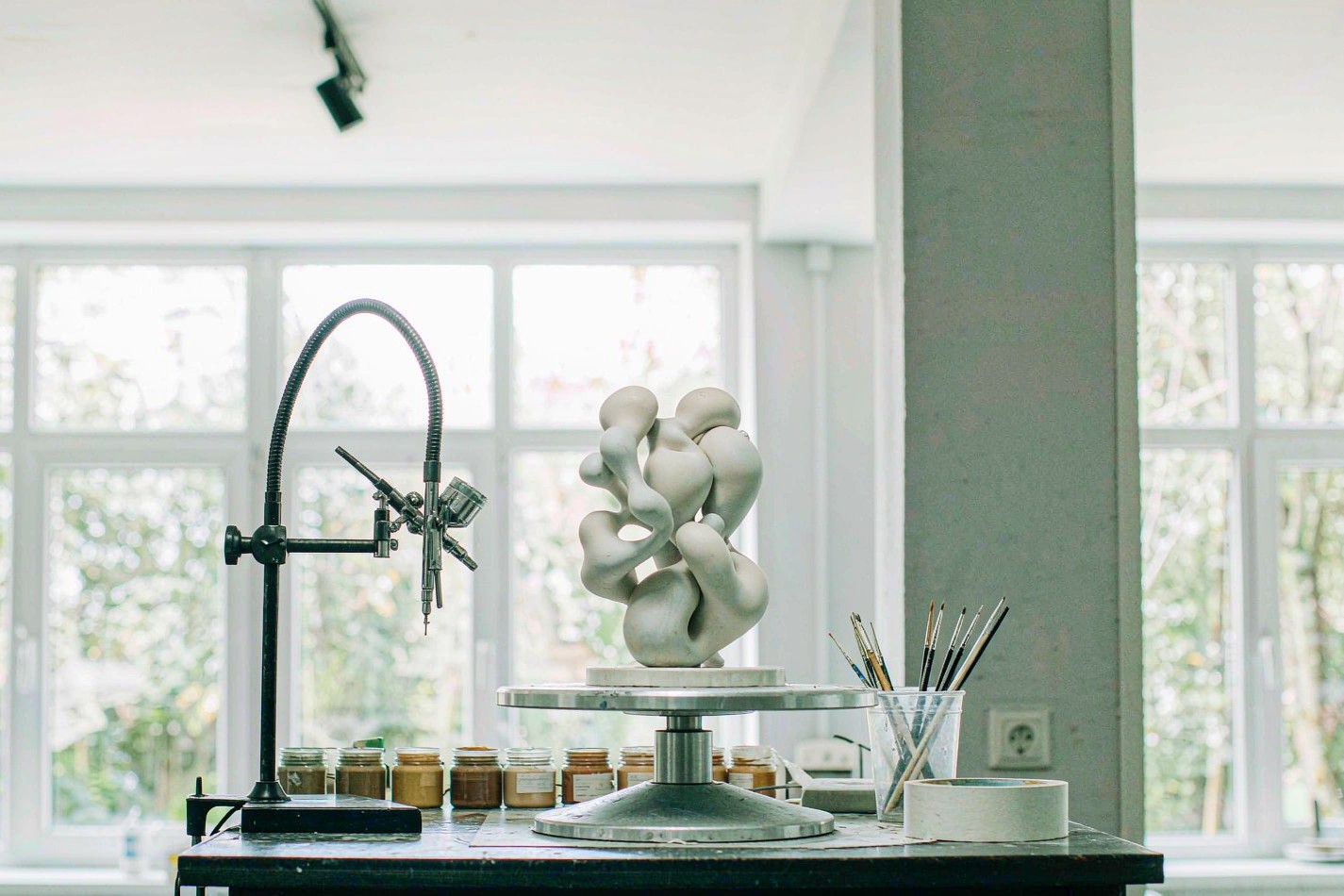
Spray jigs and masking sequences are built per part. Where a piece needs a hard edge, the jig produces it. Where it needs a soft transition, the sequence is written down: what is sprayed first, what is masked, what is removed in what order. Two painters following the same sequence produce the same result. Two painters working from intuition do not.
The hand work stays hand work. Weathering, dry-brushing, washes and small gradients stay manual, which is where the character in a collectible comes from. It is also why the reference standard and the batch checks matter more here than anywhere else.
Batches are compared against the approved piece, not against each other. If batch two is matched to batch one, small differences accumulate until batch nine is visibly different from the approved prototype, while every individual comparison looked fine. Our reference point never drifts, because it is always the piece you signed off, not the batch we just finished.
What this stage protects.
| Risk | What we do about it |
|---|---|
| Colour shifts between batches | Master colour standard, matched physically every batch |
| Soft edges where the design calls for hard ones | Spray jigs and written masking sequences |
| A face that looks wrong but nobody can say why | Facial and signature areas checked first, every batch |
| Edition pieces looking different from the sample photos | The approved piece retained as the standing reference |
If you are comparing factories
Ask any manufacturer this question:
“When you check a new batch, do you compare it against the approved prototype, or against the last batch you produced?”
The second answer is common. It is also how a run slowly drifts away from what you sold.
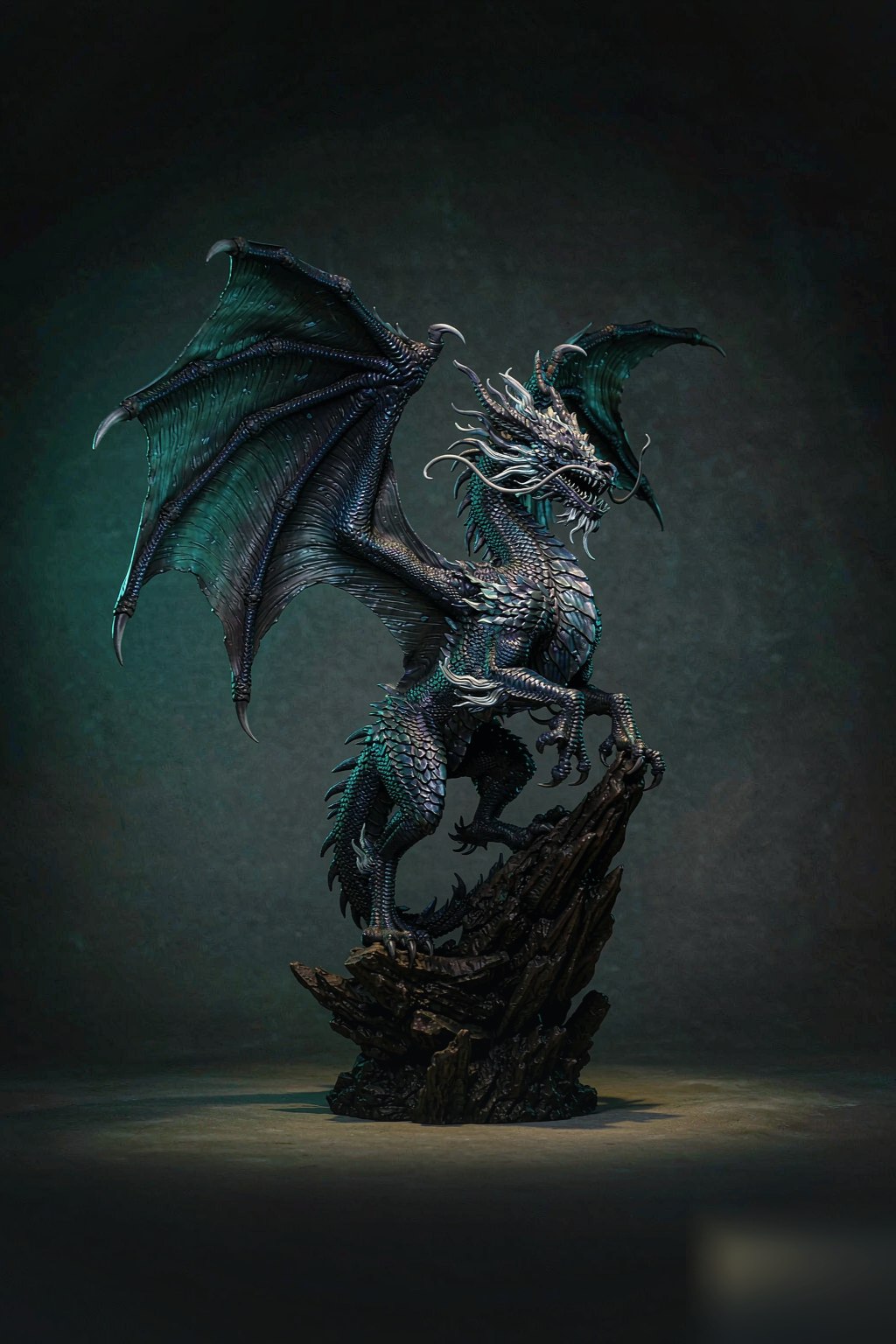
Production paint is where editions are won or lost.
Send us the approved piece and the colour call. We will come back with the masters, the jigs and the masking sequence.