
Consistency & QC
Our whole job comes down to one question: does piece 500 look like piece one, the one you approved?
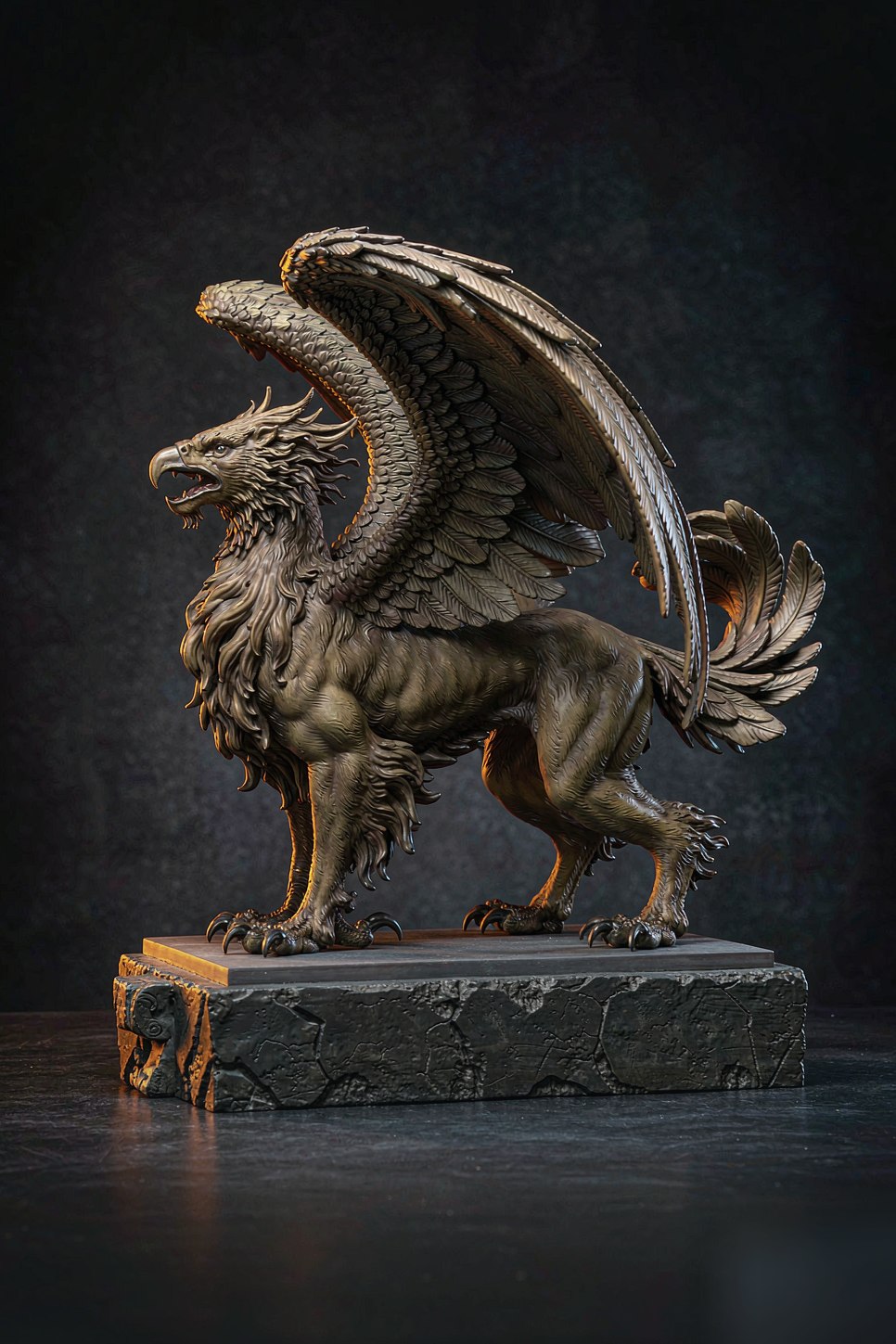
Not a drawing. Not a photograph.
The physical piece you signed off is retained as the standing reference for the entire run. Every check, at every stage, is made against it.
This is a deliberate choice and it solves a specific failure: when a factory compares each new batch to the previous one, small differences compound quietly until the run has drifted somewhere nobody intended.
How the checks are structured.
| Stage | What is checked | Compared against |
|---|---|---|
| Tooling | Dimensions, parting lines, draught | Approved data and prototype |
| First castings | Shape, wall thickness, weight | Approved prototype |
| Post-paint, first batch | Colour, coverage, finish, signature areas | Master colour standard and approved piece |
| In-process | Sample checks through the run | Approved piece |
| Pre-shipment | Full inspection, item by item | Approved piece |
The golden sample.
Once production tooling is proven, we produce and retain a golden sample, built from production tooling, in production material, finished to production standard.
It becomes the practical comparator for the run: what the line should be able to hit, every day, not just on a good day.
Kept, and kept for a reason.
Each batch is recorded: checks performed, results, quantities passed and held. This is not paperwork for its own sake.
- Traceability
- If a problem appears at your warehouse, we can trace it to a batch and a stage.
- Retailer audits
- You have supplier-side evidence to hand when a retailer asks for it.
- Second runs
- A documented baseline to reproduce next year, or to hand to another supplier.
Our modellers are ours.
Our team includes in-house 3D modellers. Most clients handle modelling themselves and come to us for production. But the fact that we can do that work means we understand what happened before the data reached us: where detail was pushed too far for a mould, where a colour call will not survive batch painting.
That knowledge is why we can flag a production problem in a design review, before it becomes an expensive one.

If you are comparing factories
Ask any manufacturer this question:
“When you check a new batch, do you compare it against the approved prototype, or against the last batch you produced?”
The second answer is common. It is also how a run slowly drifts away from what you sold.
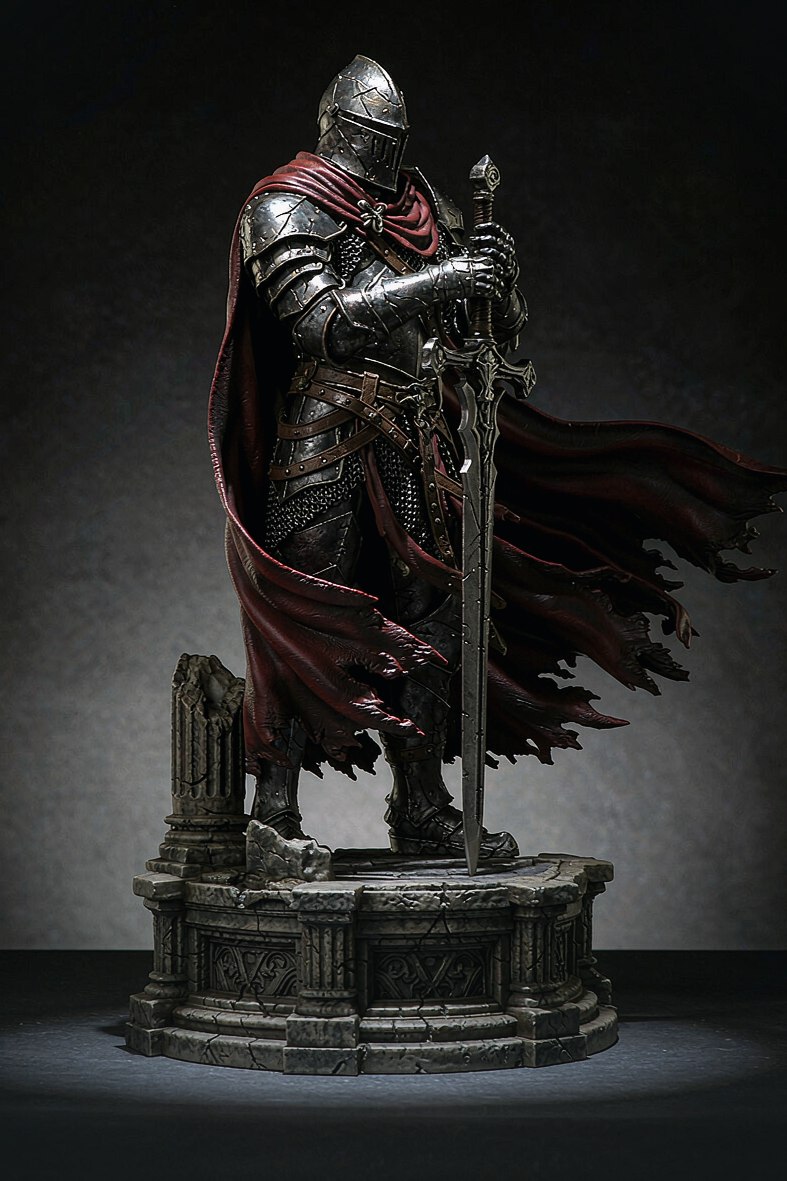
Let's set your acceptance standard.
Send us the prototype you have approved. We will tell you how we hold the run to it.