How a collectible gets made, and where we come in.
From licensed artwork to a numbered edition, a collectible passes through seven stages. Six of them happen before a factory is involved. We are the seventh.
A collectible is normally made in seven stages: licensing, concept and 2D artwork, 3D modelling, 3D printing, prototype painting, approval, and production. DAK Collectibles enters at the seventh, once the prototype is approved and the quantity is confirmed.
The first six stages are usually completed by the licensee, studio or independent creator before a manufacturer is contacted. We can also take on stages two to six as a paid development service, using our in-house 3D modellers and painting team.
Last reviewed 2026-10-01- 01LicensingSecuring the rights to a character, or originating your own.Licensor or studio
- 02Concept and 2D artworkFront, side and back views, colour calls, expression.Your team, or ours
- 033D modellingSculpting the character in digital form.Your team, or ours
- 043D printingTurning the model into a physical master.Your team, or ours
- 05Prototype paintingThe first physical piece, hand-finished.Your team, or ours
- 06ApprovalThe prototype is signed off, and pre-orders open.You
- 07ProductionQuantity confirmed, tooling cut, editions made.Us
Stages 2 through 6 are usually handled before a manufacturer is contacted. If you would rather hand part of that over, we can take it on. See Development Services.
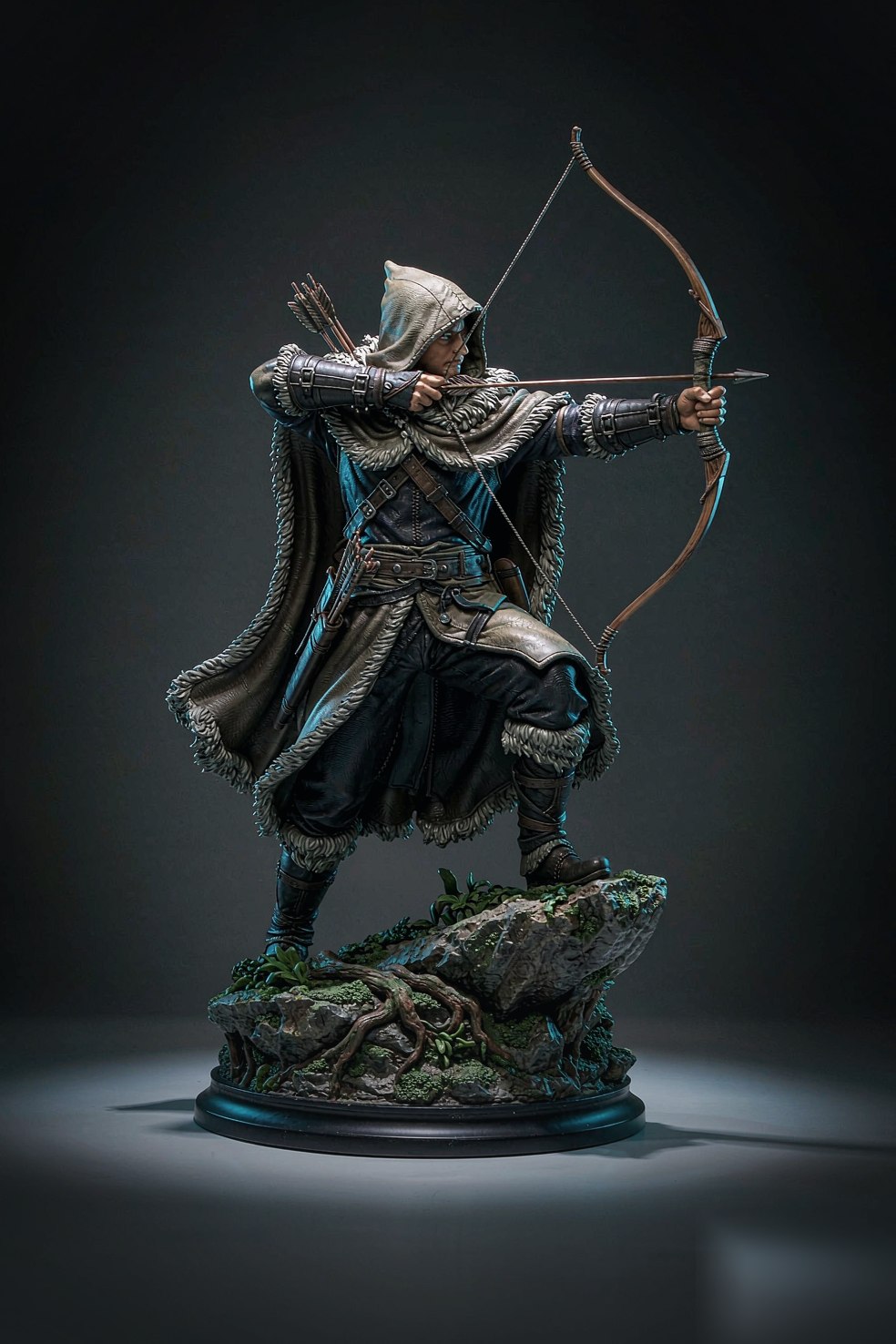
Approving a prototype is easy. Reproducing it is not.
Approving a prototype is easy. It is one piece, painted by one pair of hands, with as much time as it needs.
Production is a different problem. Five hundred pieces, painted by a team, across several weeks, in batches. Every one of them has to read as the same object as the piece you signed off.
Colour shifts. Gradients flatten. Weathering gets heavier on a Monday and lighter on a Friday. Seams open. Gloss drifts. None of it is visible in a single sample. All of it is visible on a shelf, next to each other.
That gap is the entire job. Everything under Capabilities exists to close it.
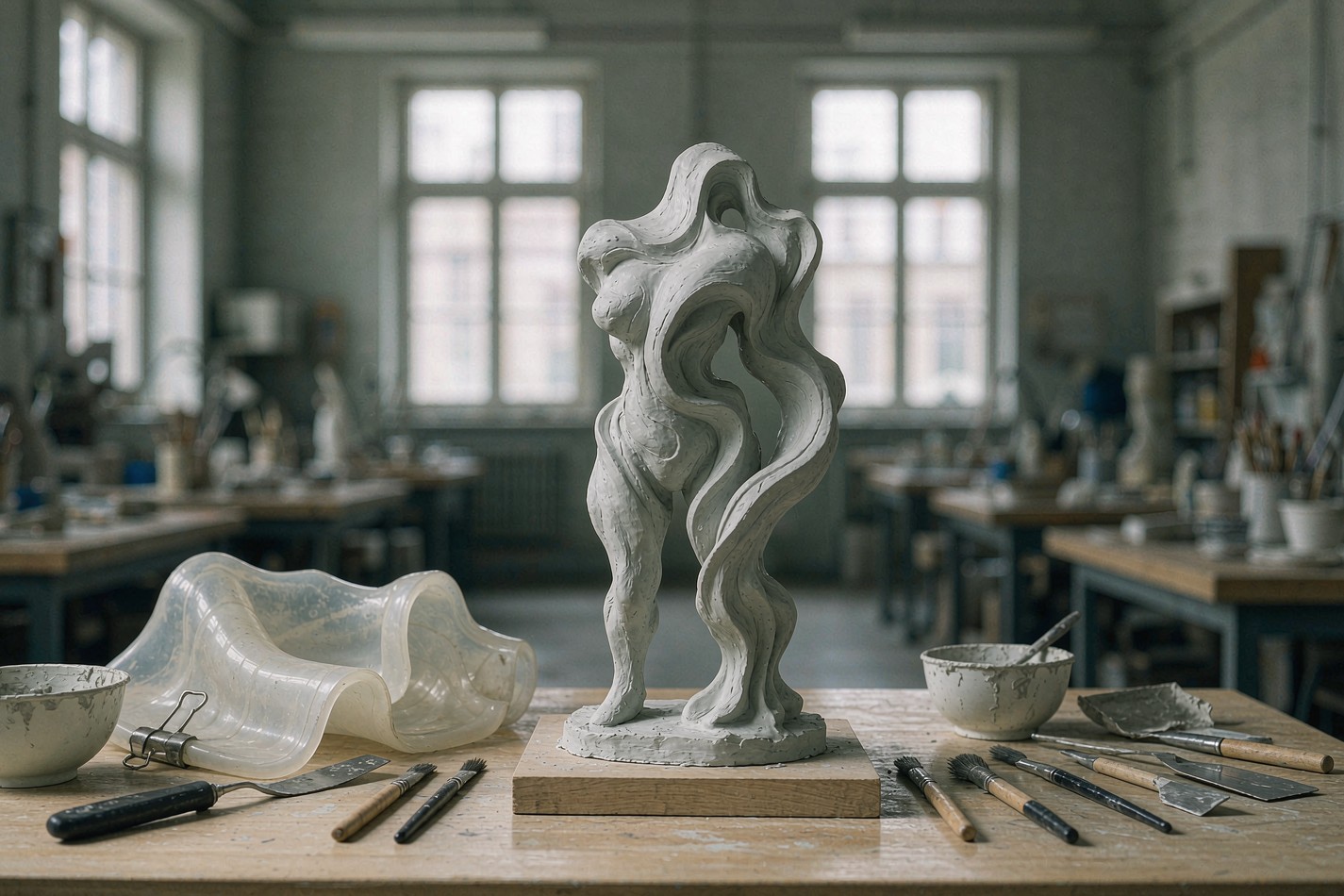
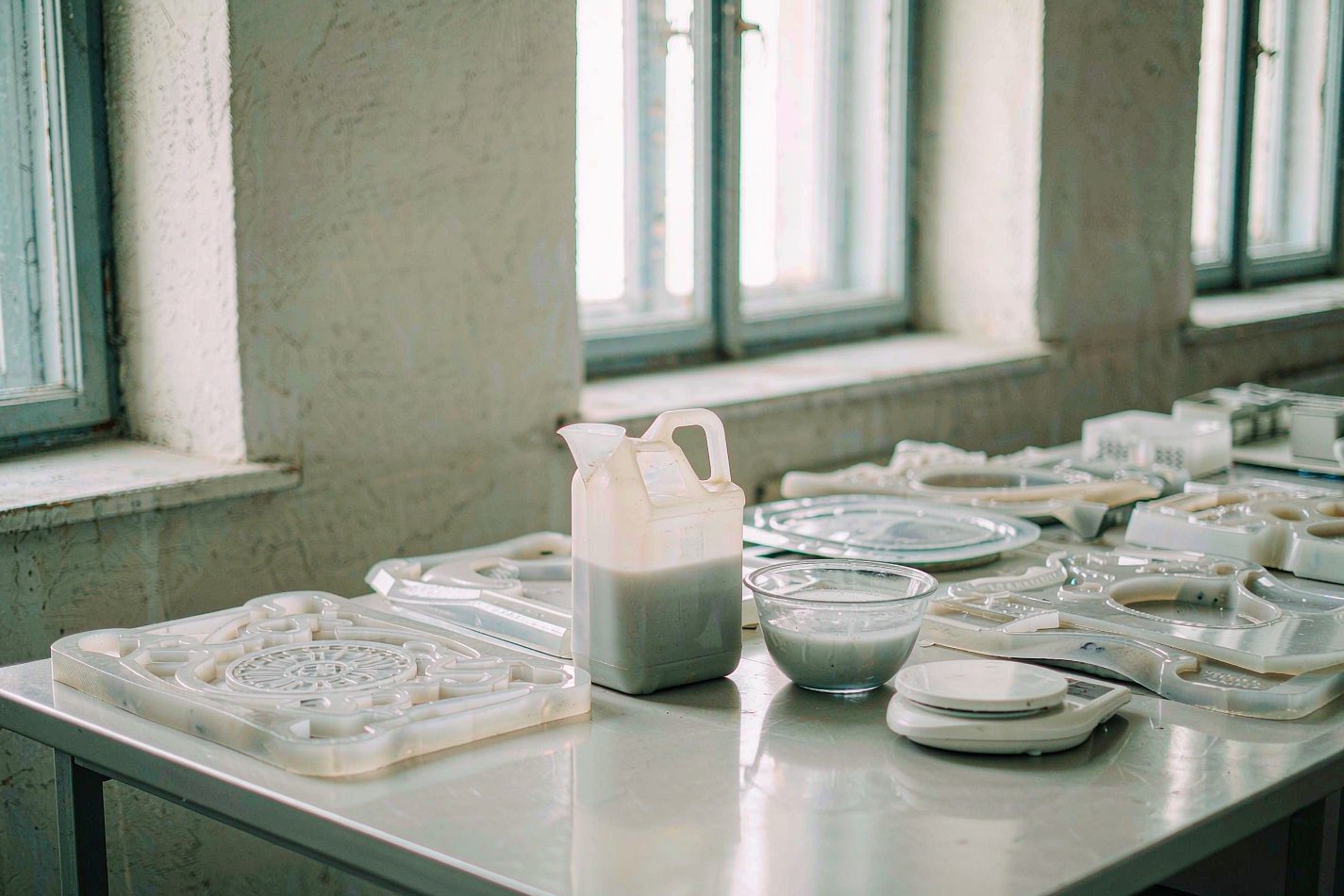
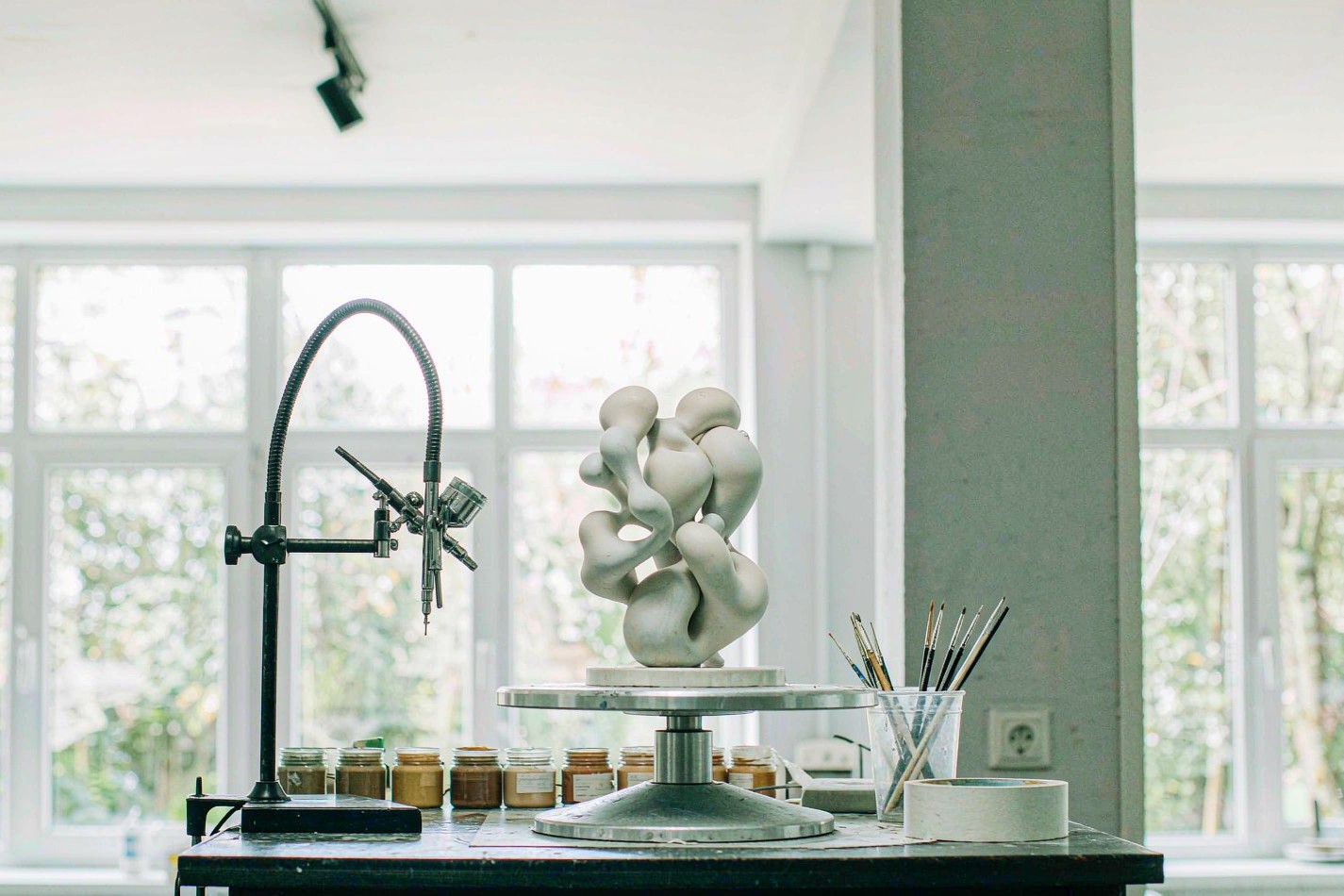
Bring these to the first conversation.
With these in hand we can give you a real answer rather than a range of possibilities.
- Approved prototype
- The physical piece you signed off, or the approved 3D data behind it.
- Target quantity
- Drives how tooling is planned and how the run is batched.
- Packaging requirement
- Retail shelf, direct-to-collector, or both.
- Edition format
- Numbered or open, and the size of the edition if it is limited.
- Launch window
- The date you are working towards.
Questions about the process.
At which stage does a manufacturer get involved?
Production is the seventh of seven stages. Licensing, concept artwork, 3D modelling, 3D printing, prototype painting and approval all normally happen before a manufacturer is contacted. We enter when the quantity is confirmed and tooling has to be cut.
Can you handle 3D modelling, printing or prototype painting?
Yes, as a paid development service. We have in-house 3D modellers. Most clients handle those stages themselves and come to us for production, but we can take on part or all of it, quoted per project against the schedule and the piece.
How long does production take?
Lead time is assessed per project rather than published as a fixed figure. It depends on the piece, the quantity, the finish involved and the schedule at the time the order is placed, so we would rather look at the actual project than quote a number that turns out to be wrong.
What do you need before you can quote?
The approved prototype or the approved 3D data behind it, the target quantity, the packaging requirement, the edition format, and the launch window you are working towards. Nothing is required to start a conversation.
Let's look at your piece.
Send us the approved prototype or the 3D data behind it, and we will come back with what production actually requires.