
Casting & Moulding
Polystone and polyresin, cast in production runs with controlled wall thickness, controlled shrinkage and controlled weight, so the piece in the box matches the piece on the shelf.
Choosing the material.
Two materials do most of the work in this category, and the choice is usually made for reasons the buyer cares about: weight in the hand, how sharp the detail reads, how the piece behaves if it is dropped, and what it costs to ship.
| Polystone | Polyresin | |
|---|---|---|
| Feel | Heavier, stone-like | Lighter |
| Surface detail | Very sharp | Sharp |
| Best for | Display statues, premium editions | Larger pieces, packaging-sensitive formats |
We will recommend one and tell you why, including when the cheaper option is the right one.
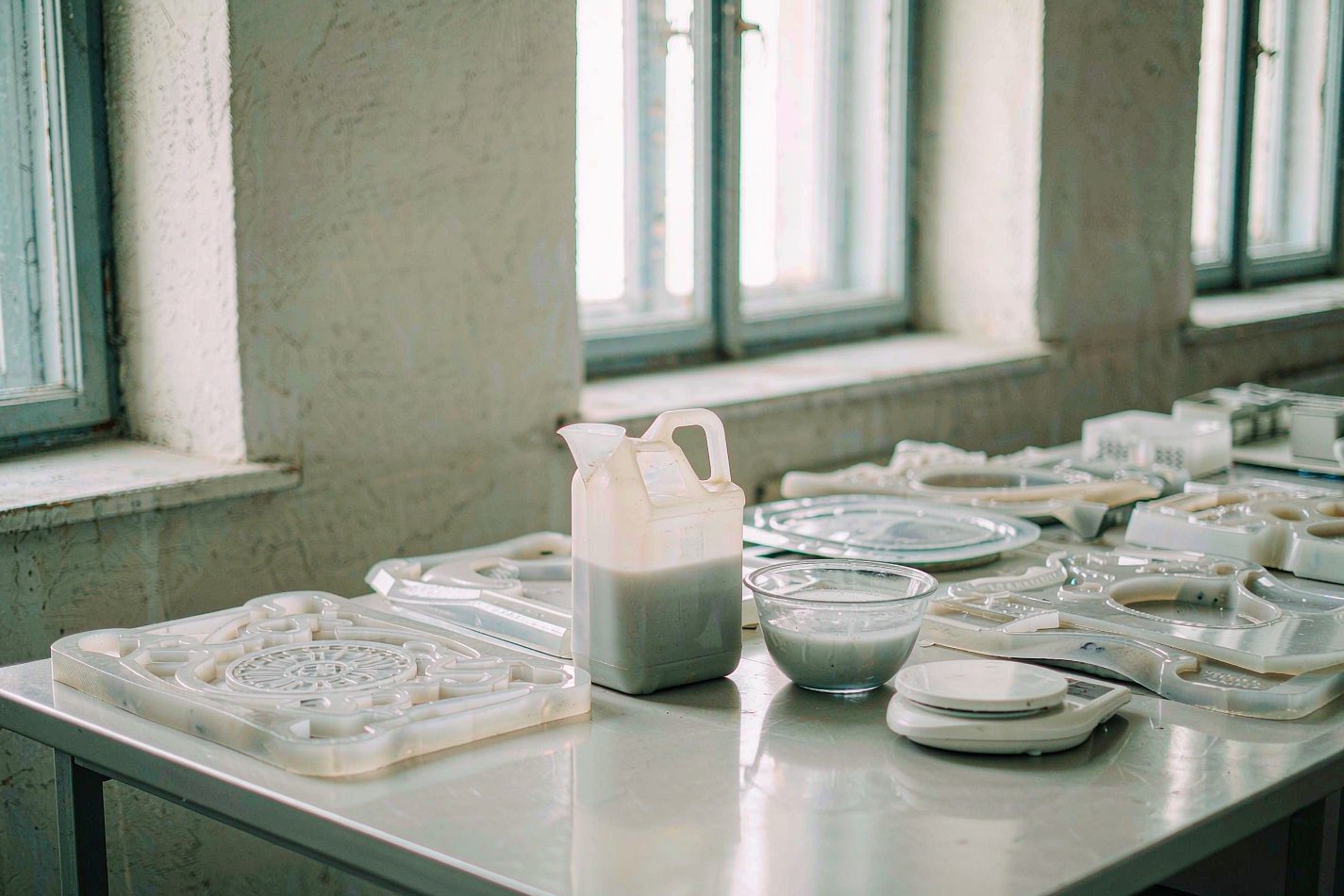
What “controlled” means in practice.
Wall thickness is specified per part, not per piece. A base that is cast too thick will not cure evenly; one that is cast too thin will not survive shipping. Both problems show up weeks after the batch has been packed.
Weight consistency is checked, not assumed. Collectors notice a piece that feels lighter than the one a friend received.
Shrinkage is the reason dimensions are settled at the tooling stage. By the time material is poured, the compensation is already built in.
Hollow, solid, or filled.
Most production pieces are hollow, for weight and material control. Bases and heavy components are usually solid or filled, for stability.
The decision affects the tooling and the packaging, so it is made early, with you.
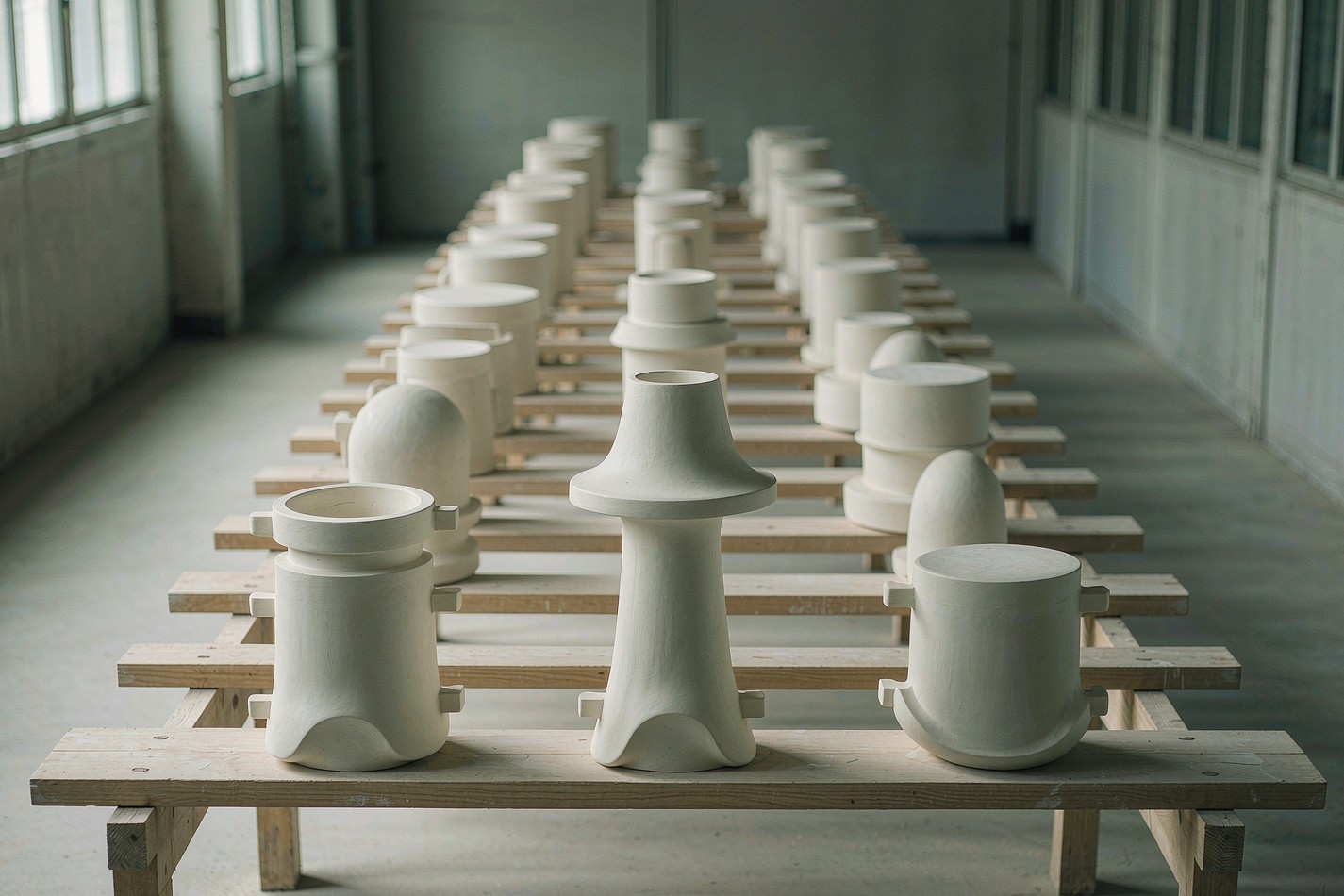

Tell us how the piece will be handled.
Send us the design and where it will be sold. We will tell you which material suits it, and why.